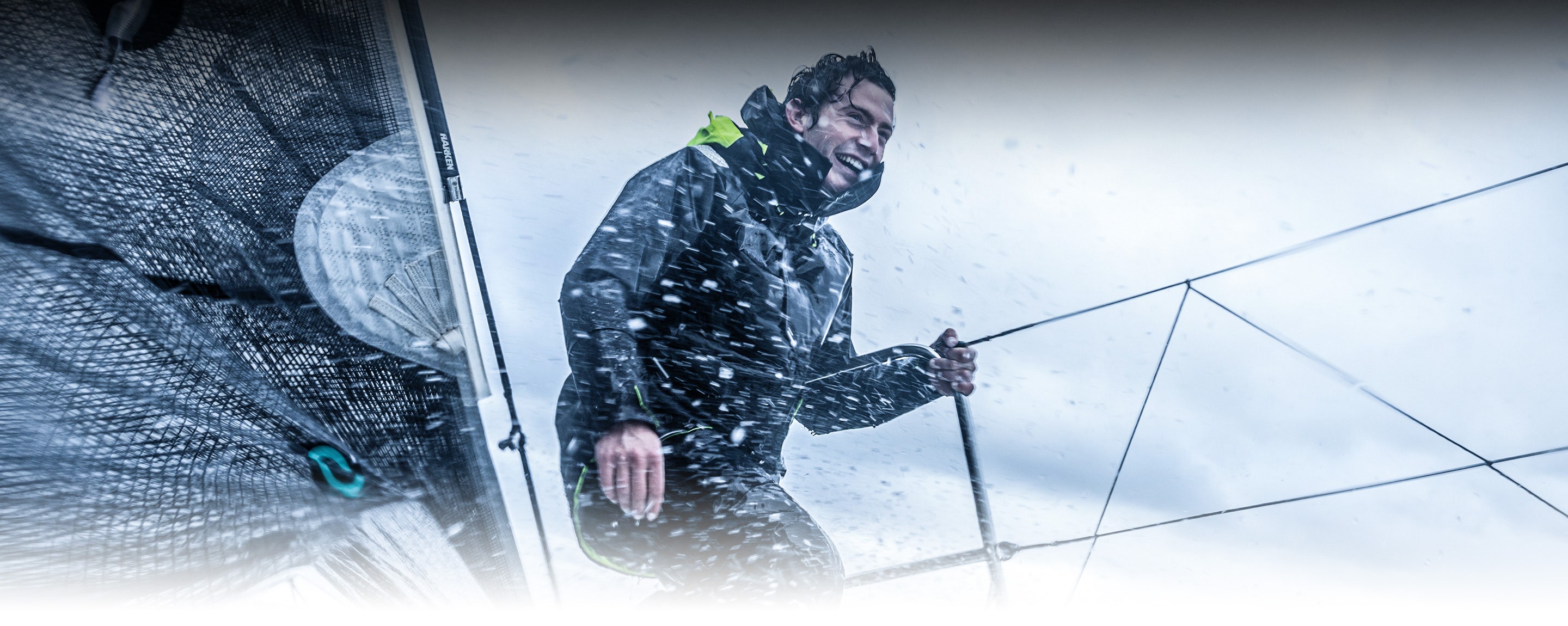
High-quality sailing gear is a necessity when you're always near the water. Taking care of your kit is the best way to ensure it lasts use after use. A little bit of maintenance goes a long way and is key to keeping your Zhik waterproof clothing in top condition, protecting you from the elements and keeping you warm and dry out on the water.
However, while there may be some pieces that you can wash as normal, water-repellent and waterproof gear requires a bit of special attention to make sure it is kept in top condition. But just how do you wash waterproof clothes? Whether you’re an avid dinghy sailor, outdoor hiker, ocean paddler, coastal cruising, twilight racer or love the challenge of offshore sailing, let us take you through the steps to washing a waterproof jacket effectively so you can extend the life of your Zhik gear.
General care for waterproof jackets
The first step when determining how to wash a waterproof jacket or outer layer is always to check the care label. Whether you are washing a Zhik waterproof jacket, a pair of shorts, pieces from Zhik’s wetsuit range or a heavy-duty offshore sailing jacket, be sure to read the label before washing and follow the instructions carefully to take the best care of your garments.
Why is this so important? Throwing certain items and fabrics (including ones coated with Durable Water Repellent) in the washing machine or using the wrong type of detergent can damage your technical clothing, rendering them less effective on the water – and costing you money as you’ll need to buy replacement gear sooner.
You need to wash your Zhik waterproof jacket carefully after every use. The very first step is rinsing with fresh water, as salt from the seawater left to dry on your waterproof clothing can cause additional wear and tear. It’s important to rinse your waterproof jacket while still wet, as dried salt is much harder to remove. Don’t forget to open all zippers, snaps, press studs, etc., to rinse off any potential salt residue. Leave the jacket to drip dry on a padded hanger in the shade, away from sunlight and direct heat.
How to clean waterproof jackets
Though a fresh-water rinse is all that’s needed on a regular basis, you will need to give your waterproof jacket a more thorough wash from time to time – for example, when they become stained, grubby or start to smell. But how do you wash waterproof clothes without damaging the water repelling properties?
Begin by shaking off or lightly brushing of any dirty, sandy or heavily soiled areas, removing any dirt or debris. Unless otherwise stated on the care label, wash your waterproof jacket on a low-temperature, gentle machine cycle, using a technical wash specifically designed for technical outerwear. We recommend using Grangers Performance Wash. Do not use regular clothes-washing detergents or fabric softeners, these can damage the DWR coating on the jacket and drastically reduce the life of your jacket. If the jacket has oils or grease stains, blot them dry with an absorbent cloth, then proceed to wash as per the jacket's care instructions. Do not use chemicals, detergents or solvents as they will deteriorate the item.
If you don’t have access to a washing machine or the care label suggests handwashing, do so in a tub or basin, using just enough water to cover the coat and your waterproof washing liquid. Gently knead, roll and agitate the fabric to remove dirt and grime, then rinse thoroughly.
If the care label says you can tumble dry your waterproof jacket, select a low (not hot) heat. Otherwise, let it air dry in the shade away from sun and heat sources. Make sure your jacket is completely dry before storing (storing it wet can cause mould and mildew). Do not leave waterproof jackets and clothing inside a boat or as the can be excessive moisture, salt and heat in the environment which will deteriorate the items.
Performance washing liquid
It’s important when washing a waterproof coat to avoid regular laundry detergents, which can damage the water repellent barrier, rendering the DWR useless out on the water. Using a tech wash detergent is vital for maintaining your jacket’s DWR layer. Zhik recommends using Grangers Performance Wash to take care of your Zhik waterproof gear and use the Grangers Clothing Repel to help to maintain, water repellent properties.
Things to avoid when washing a waterproof jacket
It’s important when washing a waterproof jacket not to use bleach, not to wring out the jacket (which can damage the delicate waterproof membrane) and only iron on a very low heat, if care instructions say it is appropriate. Also, be sure not to dry clean your waterproof jacket, which can destroy the waterproof barrier function.
Washing water repellent midlayer and baselayer clothing
When it comes to cleaning midlayer and baselayer items, again, first check the care label. Midlayer items, such as fleece jackets and ZhikMotion tops, will likely need to be washed more often than your outer layers, as these pieces are designed to wick away moisture from your body, meaning they can hold sweat and bacteria.
As some midlayers feature DWR coating (such as Zhik’s Softshell Jacket), be sure to follow the care label guidelines when washing and use a tech wash designed for waterproof gear. Also, be sure to steer clear of fabric softeners, which can affect moisture-wicking properties and damage the DWR coating.
Washing FAQs
Can you wash waterproof jackets in the washing machine?
Yes, but only if the care label on the item states it’s appropriate. If the instructions provided on the jacket indicate that it must be hand washed, take the time to do this as it will prolong the life of your waterproof gear.
What is the best detergent for waterproof clothing?
Never use regular detergent on your waterproof clothing. It’s important to choose a tech wash specifically designed for waterproof jackets and clothing. We recommend using Grangers Performance Wash.
Can you put a rain jacket in the dryer?
Again, this depends on the care label instructions – but if the care label says not to put your waterproof coat in the tumble drier, do not skip this step. Trying to hurry up the drying process by using a drier, in this case, will likely damage your gear.